Overcoming Climate Despair
Recently, when I’ve talked about climate change, I haven’t really heard many questions about whether it’s really happening (yes), whether it’s caused by people (yes), or whether there’s anything we can do about it (yes). More often, I’ve heard about despair. Either despair over the fate of the planet or disillusionment about our ability to do anything about it.
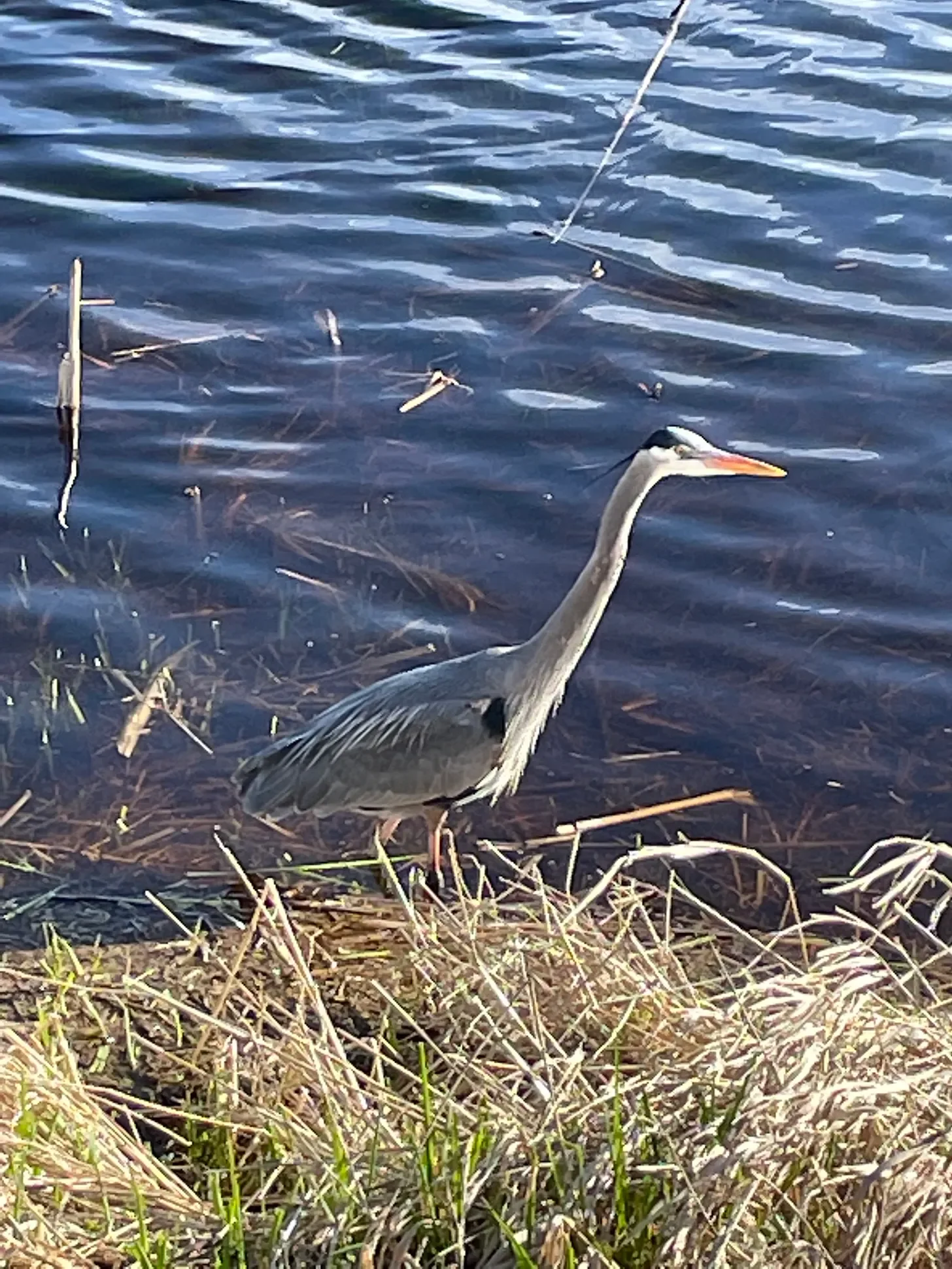
Photo by author, from kind of far away
Of course, if you are wired that way, there was plenty to be hopeless about before we learned about the climate: war, famine, violence, dehumanization, slavery, abuse. We live in a world that allows people to suffer with devastating untreated physical and mental health illnesses. We live in a world where women, transgender people, and people of color are not always acknowledged as full human beings with their own right to self-determination. We live in a world that allows some people to hoard so many resources that they become billionaires while others starve. We live in a world where racism results in our kids of color getting shot while minding their own business.
It’s not enough just to save the planet. How we get there matters.
We can get so lost in the things that are wrong that it can be hard to remember why it was we wanted to save this world in the first place.
The truth is, it's not enough just to save the planet. How we get there matters. We need to find ways to protect the planet that also make the world a better place and keep us from falling into despair. We need to work to build a future that rights the wrongs of the past. We need to create a just, sustainable world where our basic needs are met, we live in community, and we take care of each other.
We need to save the world and, at the same time, create a world worth saving.
But first, we need to tackle the despair. Despair is not a helpful emotion. No one can imagine a better world while moaning in a fetal position under the table. The good news is some of the things we can do to calm our despairing minds also open the door to creating that world worth saving.
Time in Nature
In The Peace of Wild Things, Wendell Berry describes both that familiar sense of despair, and the peace he finds in nature. I hope that peace of wild things is available to you, too. If you can find a green place, maybe even by a body of water, where you can take a walk with someone you care about, that will do wonders for both your physical and metaphorical heart. This is something you can do now to build your resilience to stress and anxiety. As you are bathing in nature, consider: not all of our communities have easy access to unpolluted green spaces, and many of our communities could make choices to create more spaces to protect and enjoy nature. What would it take for your community to have more trees? Trees take greenhouse gasses out of the air and produce oxygen. They keep urban areas cooler during heat waves. And they gift us physically and psychically healing time in nature.
Connection with others
People who have good relationships with others are happier, healthier, and live longer. Beat back climate despair by taking a minute to chat with the people you see during the day. Connect with others who seem like you and not like you. This is great for your mental health, and community connections are a way of planning ahead for climate crises. It is our neighbors--our communities--who will get us through climate-related disruptions like long power outages, smoke days, water shortages, or heat events. Our neighbors will give us refuge from the literal storms. They are the ones who will put a pot of chili on the outdoor gas burner to share or drive us to safety. Do you know the neighbors who might reach out and help you? How are they doing? Do you know the people in your community who you might be able to help in a disaster? These relationships keep us safe us in the really hard times and bring us joy (and sometimes muffins!) in the good times.
Sense of Purpose
Having a sense of purpose in your life—whether it is nurturing others in your household or caring for the planet—improves your mental and physical health. Finding meaning in your life reduces anxiety, depression, and stress. Living with purpose improves your quality of life and draws your attention to something bigger than yourself. It gives you an opportunity to use your talents in a way that makes a positive difference in the world. Your purpose is unique to you and the special gifts you bring. But, if you are so moved, might I suggest that you were born for times such as these. And there’s a big world out there that needs saving.
P.S. And, you know, drink more water. Maybe stop doomscrooling. Get some sleep. It’s harder to save the world when you’re exhausted.